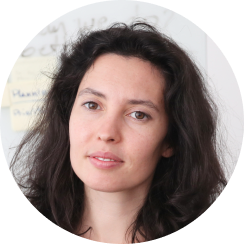
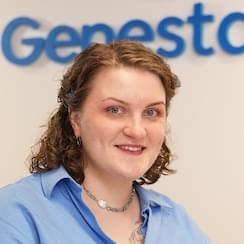
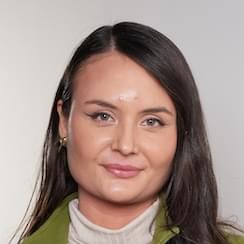
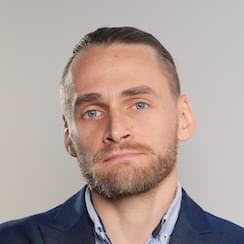
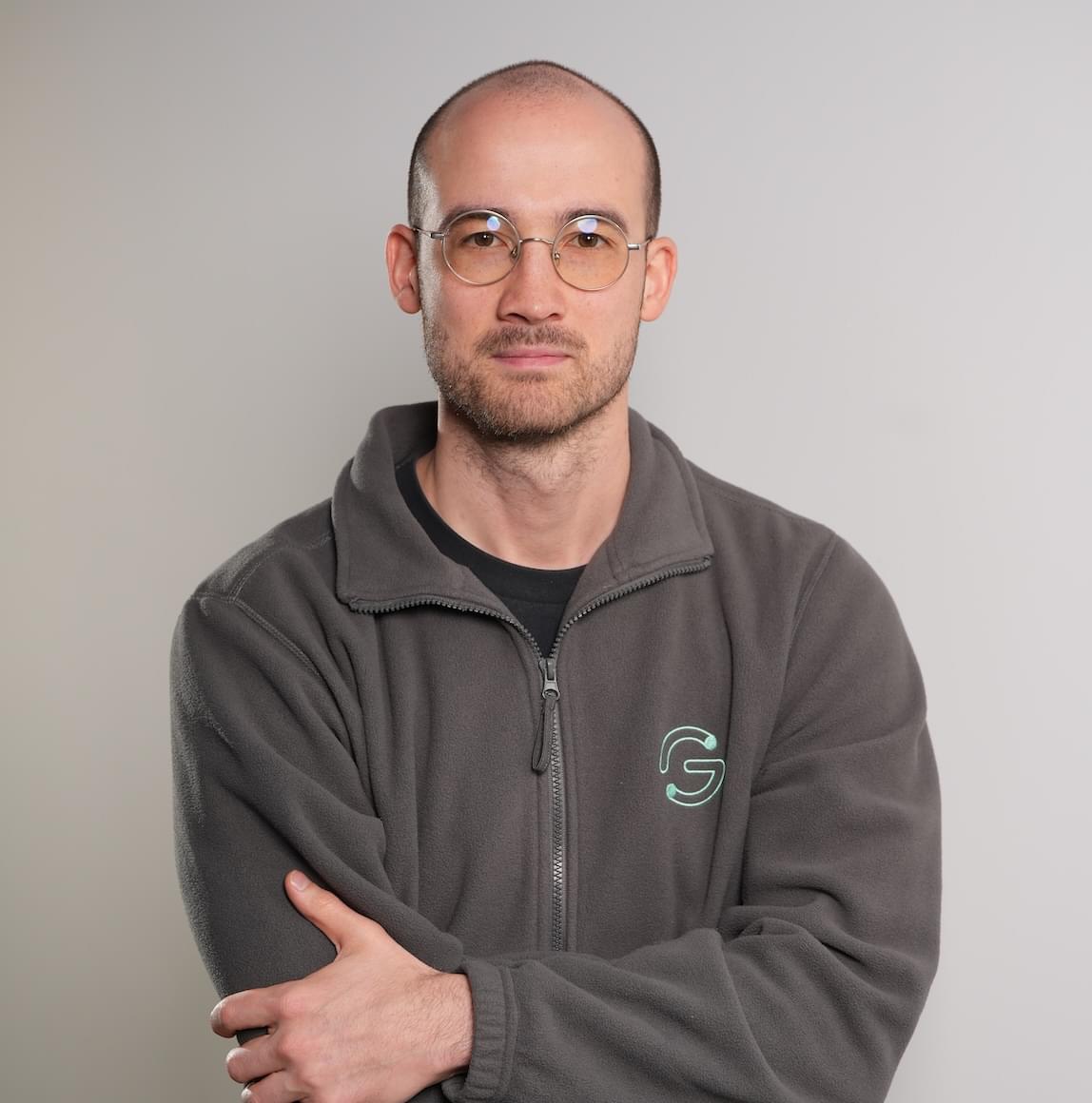
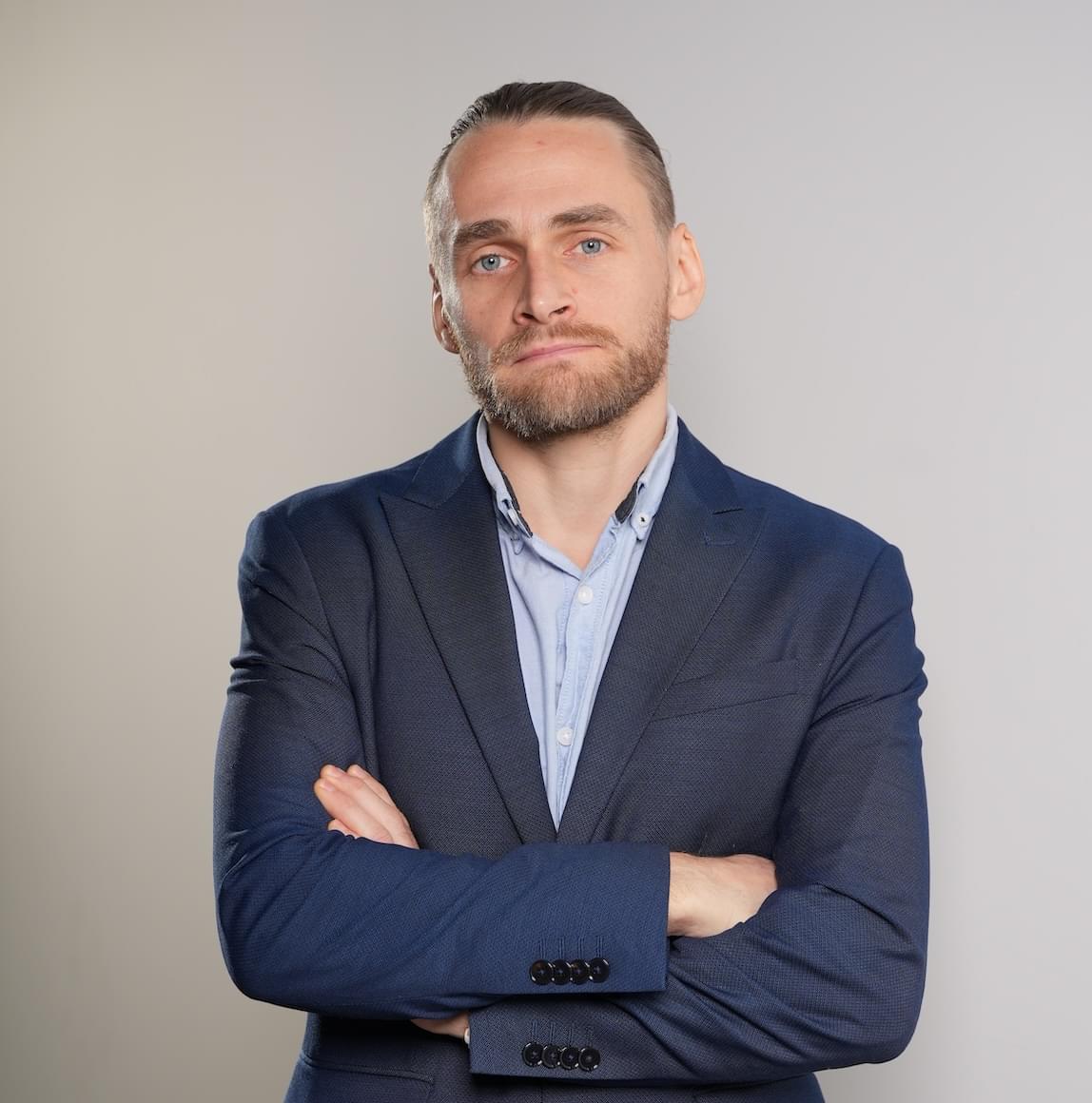
Gleb A.
Backend Developer
What would you tell someone considering joining the team?
The BioKB team values independence, self-discipline and proactivity. You need to be ready to plan
your own work, drive initiatives and justify your decisions. The main benefits are working in a
complex domain, having direct access to domain experts and solving challenging problems. There is a
lot of freedom in decision-making—processes are flexible, and it's easy to reach decision-makers as
long as you take ownership of your ideas.
What's an interesting technical challenge you've tackled at Genestack?
One interesting challenge was processing biological ontologies. This included extracting biological
entities, inferring relationships between them, building hierarchical trees, finding lowest common
ancestors. I also had to address infrastructure issues related to ontology processing. For example,
it required moving resource-intensive processing to background workers so they would not consume
resources needed for real-time client requests.
What did you do before joining Genestack?
I worked as a full-stack developer in the fintech domain. My responsibilities included frontend and
backend development, QA, business analysis and deployment. Over time I realized that backend
engineering was the most interesting and engaging part for me. This led me to focus on backend
development and eventually join Genestack as a backend engineer.
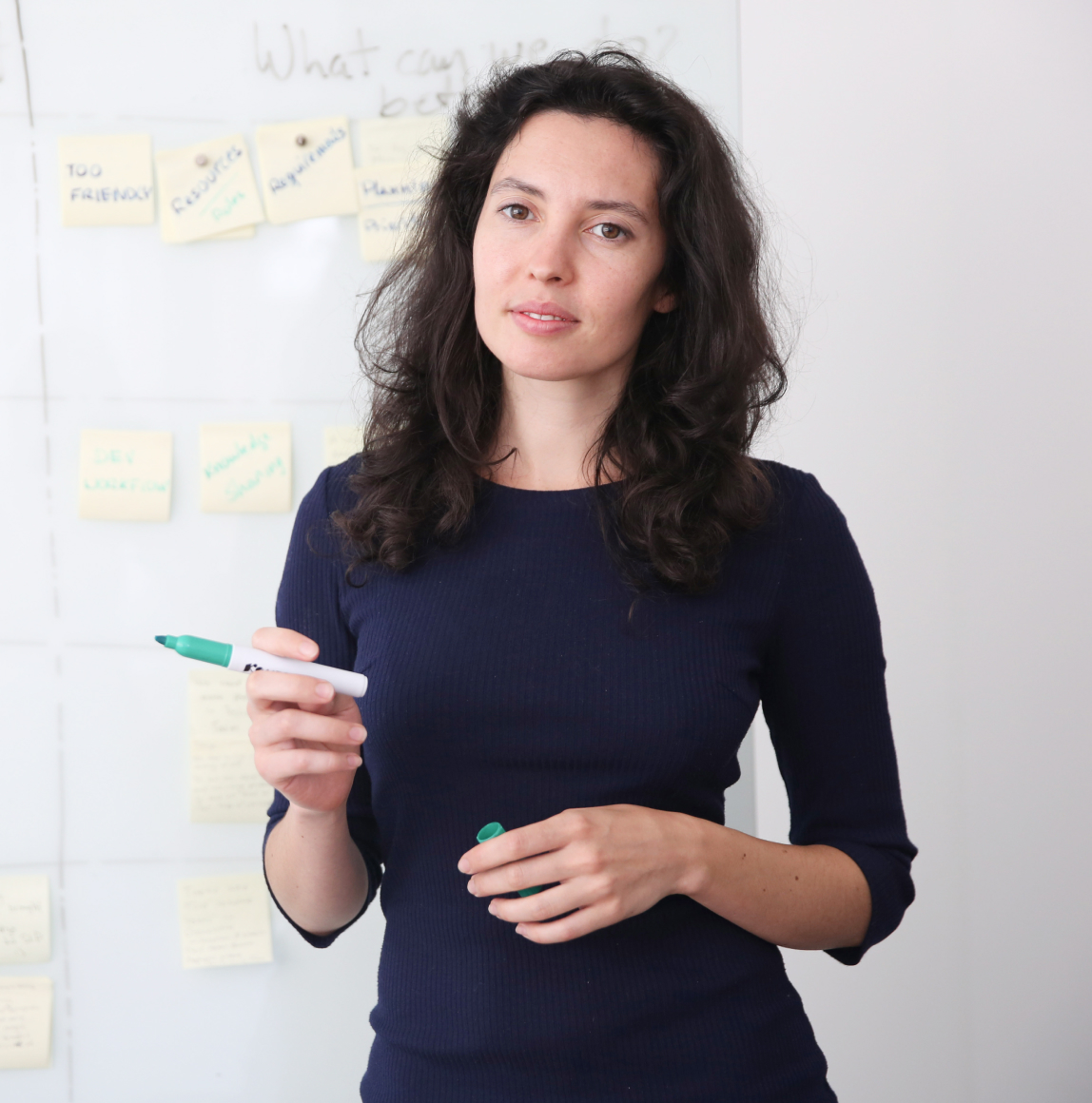
Maria
Senior Solutions Consultant
What do you do at Genestack?
I'm communicating with clients, helping solve their issues, holding demos, and gathering
requirements for new projects and product features. Also, I work closely with our development team,
coordinating tasks and consulting during projects.
What do you like most about your job?
Initiative and pro-activeness are highly valued in Genestack. So if you want to try something new or
have some interesting ideas you are always welcomed. The other thing that is very important for me
is to work on something interesting, as well as socially significant. By working on a
software solution that helps scientists in their research, I participate in delivering a
product for an innovative and fast-growing sphere, and I feel confidence that my work is useful.
What did you do before joining Genestack?
I was working in the Healthcare industry as a Quality Assurance Engineer, and I started at Genestack
as tester too.
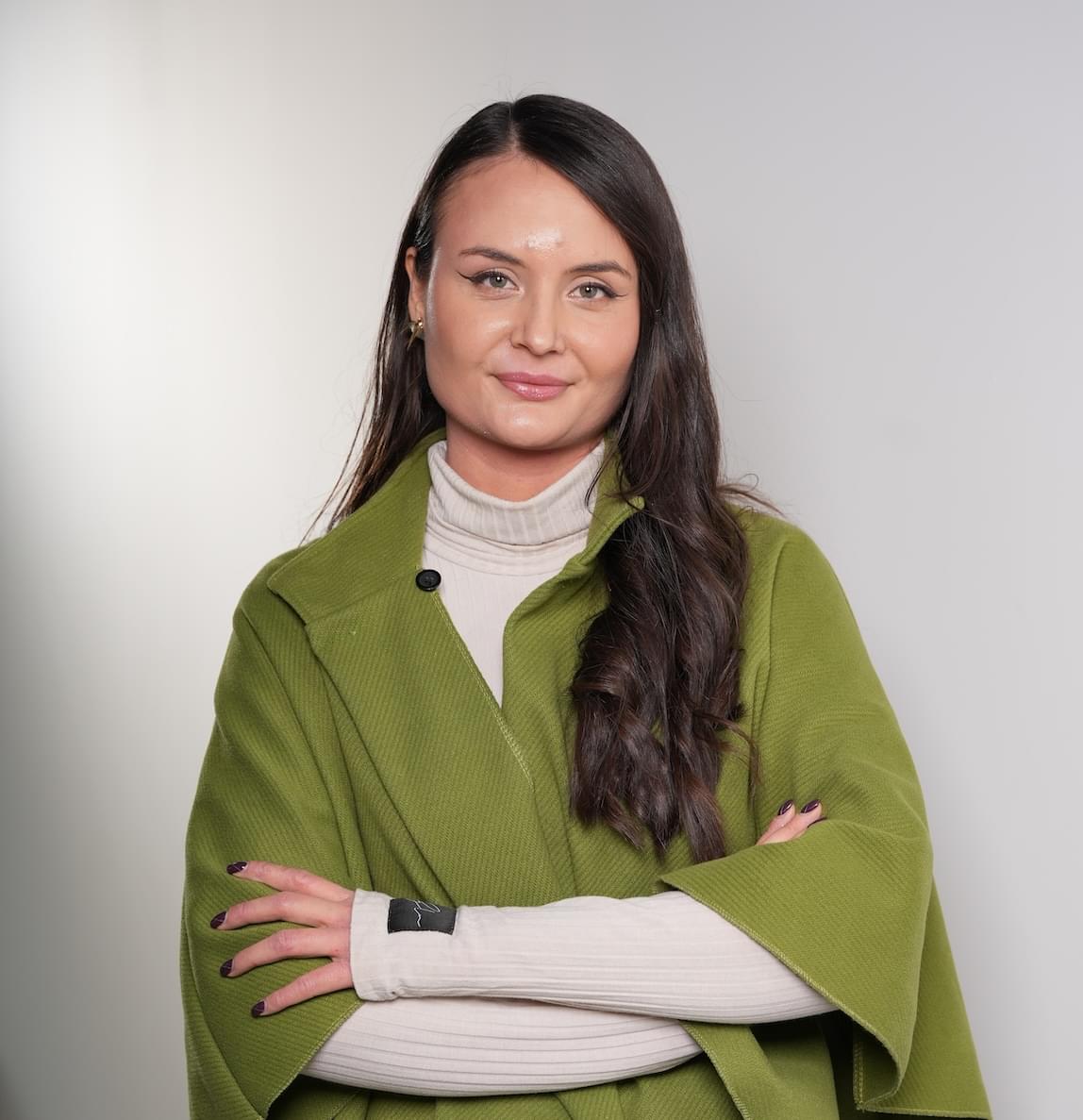
Daria M.
HR Lead
What do you think makes Genestack's culture unique?
Genestack has a strong balance between independence and support. People are trusted to take
ownership, show initiative, and make decisions, while still having guidance and collaboration
whenever it's needed. There is also a clear sense of purpose—solving meaningful problems for
customers and science while continuously learning and growing together.
What does a typical day/week look like for you at Genestack?
My role at Genestack combines HR and recruitment, so my days are quite varied. I support hiring
across both life science and software roles, working with candidates, coordinating interviews, and
supporting decisions, while also focusing on people matters, processes, onboarding, and helping
colleagues across the company. That variety for me keeps the work interesting and dynamic.
What's a recent initiative you've been proud to launch or support?
I'm proud to have supported two different initiatives recently. As part of the People team, I help
organize our annual company reunion each year, bringing colleagues from distributed teams together
to reconnect, align on the bigger picture, and brainstorm future ideas. In 2025, I also supported
building two new teams, ODM Services and ODM Co-pilot, both of which are now successfully operating
and continuing to grow.
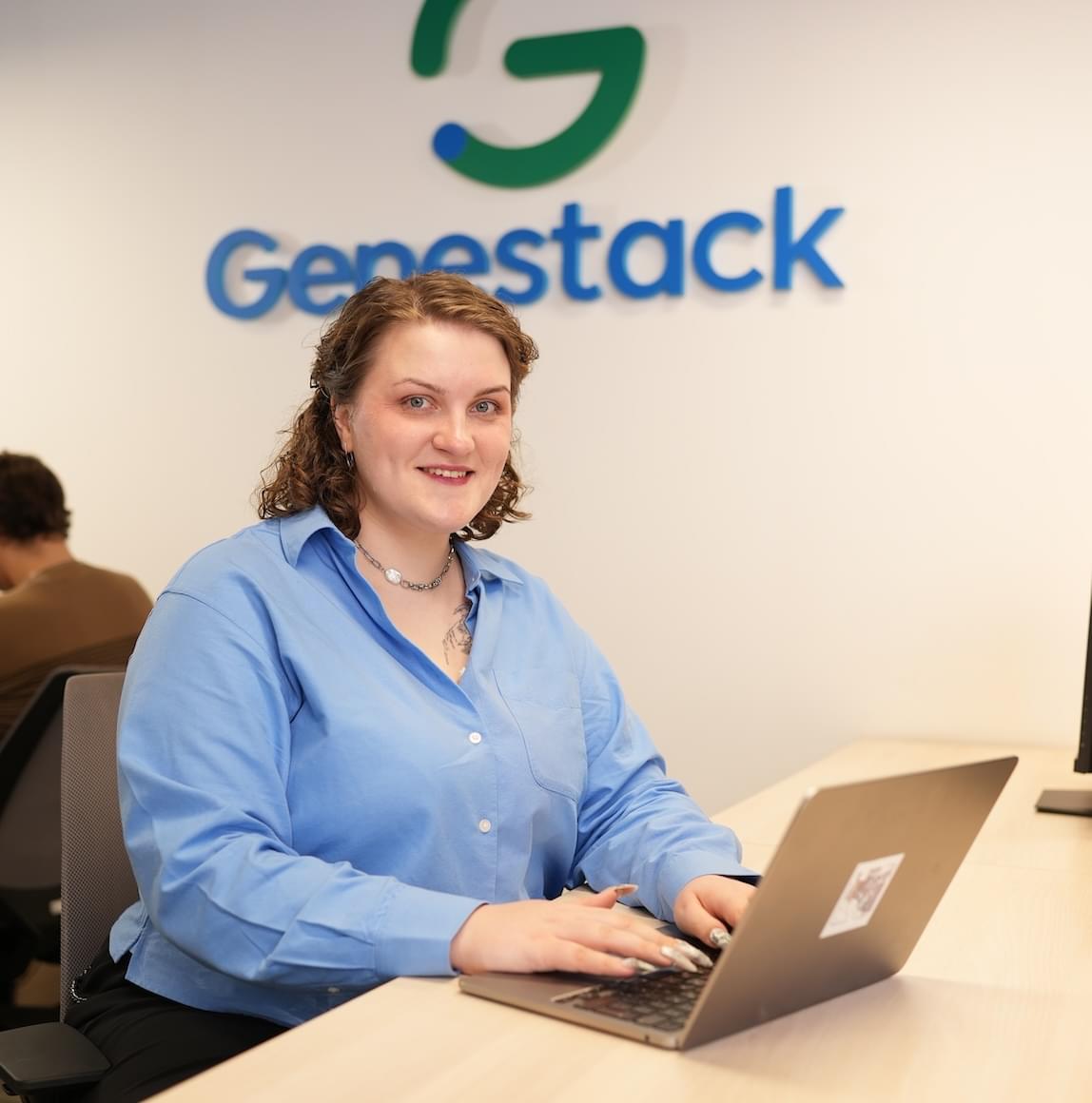
Leona N.
Middle BE Engineer
What would you tell someone considering joining the team?
I'd tell someone considering joining that Genestack is a place for people who enjoy solving
interesting, non-obvious problems and learning as they go. The system is really dynamic, with a mix
of technologies and challenges that make it a great place to grow and improve your skills. It's
rewarding to see your work actually help scientists in their workflows, which makes every
contribution feel meaningful.
What does a typical day or week look like for you at Genestack?
My days usually alternate between deep focus and collaboration. Some days I can really concentrate
on actual tasks, which include building new features, fixing bugs or making technical improvements.
Other days are more collaborative, working with teammates, discussing upcoming tasks and helping
each other with current ones. Tasks are quite varied, so it's unlikely to get bored.
How do you approach building software for scientists?
My goal is to make the system reliable and easy to use, so scientists can focus on their research
rather than worrying about the software. I think about how they will actually use the features and
make sure it works smoothly. Even small improvements that make the system easier to interact with
can have a big impact on their work.
Mikhail S.
Java Developer
What would you tell someone considering joining the team?
Working at Genestack is an opportunity too good to pass up and impossible to let go! Although the
company has been on the market for about 15 years, it still feels young internally. Quite the
opposite of many startups, we pay close attention to code quality as well as to our processes. The
company cares about people, which makes it feel stable and reassuring to work here.
What does a typical week look like for you at Genestack?
We live in a two-week sprint rhythm. During the week, I have several productive days to concentrate
on demanding issues as well as days mostly dedicated to meetings. I work primarily from home,
although I enjoy visiting the office from time to time. A few times a year, we hold brainstorming
sessions where the entire project team gathers to generate new ideas and make important decisions
about the foreseeable future.
How do you approach building software for scientists?
Working with scientists and pharmaceutical companies, we follow an extended release cycle. I believe
scientists focus primarily on functionality and value product flexibility and performance over
brand-new approaches. The product should be robust yet still user-friendly and, of course, nowadays
powered by AI capabilities.